Comic Stitch: A Fun Font for Creative Projects
Working on a branding project for a small, locally owned craft studio recently, I found myself scrolling through my font library, searching for something that felt both playful and professional. The client wanted a visual identity that reflected their handmade products—think knitting kits, embroidered patches, and DIY supplies. That’s when I stumbled on Comic Stitch, a decorative font with a sewing texture theme that immediately caught my eye.
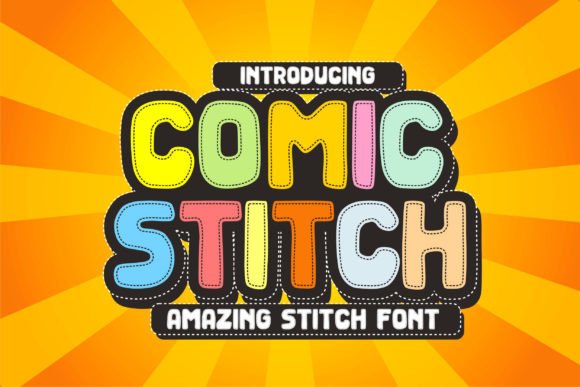
Comic Stitch has a unique aesthetic. It combines the charm of hand-stitched fabric with the sharpness of typography. The font feels like it was created with a needle and thread in mind, with subtle textures that give it a tactile quality. It’s not just a font—it’s a design element in itself, adding a layer of personality to any project it’s used in.
I started by testing Comic Stitch on a logo draft. The studio’s name had a soft, friendly tone, and the font matched that perfectly. The letterforms have a slightly uneven, handcrafted look, which made the logo feel more authentic and less digital. It wasn’t too busy or overwhelming, which is a common issue with decorative fonts. Instead, it struck a balance between whimsy and clarity.
As I moved into packaging design, Comic Stitch proved to be a great fit. The studio planned to sell product labels and packaging for their kits, and the font worked well on both small stickers and larger box designs. It added a sense of fun without sacrificing readability. Even on a small label, the details were clear enough to communicate the brand’s message effectively.
One of the things I appreciated about Comic Stitch was how it could work in different contexts. It functioned as a display font for headlines and titles, but it also held its own in short-form text, like taglines or social media captions. It didn’t feel out of place on a business card, a flyer, or even a website header. Its versatility made it a valuable addition to the brand’s typographic system.
When working with clients, I always recommend testing a font in multiple scenarios before committing to it. With Comic Stitch, I experimented with different weights and styles, checking how it looked on various backgrounds and in different sizes. I also considered how it would pair with other fonts. For instance, pairing it with a clean sans serif font helped create contrast and visual interest, making the design feel more balanced and modern.
Another thing to consider with Comic Stitch is its use as an accent font. While it’s not ideal for long paragraphs of text, it shines when used sparingly. In the branding project, I used it for headlines, icons, and special design elements, leaving more traditional fonts for body copy. This approach kept the design from feeling too busy while still leveraging the font’s unique character.
For the client, Comic Stitch helped reinforce the brand’s identity. It gave the studio a visual signature that felt consistent across all materials. From shop signs to Instagram posts, the font maintained a cohesive look that aligned with the brand’s values. It wasn’t just a font—it was part of the story they wanted to tell.
When choosing a decorative font like Comic Stitch, it’s important to think about the audience. This font appeals to people who appreciate creativity, craftsmanship, and a bit of humor. It’s not the best choice for a high-end luxury brand, but for a cozy, community-focused business, it adds a warm and inviting touch.
I also made sure to check the font’s technical details. Comic Stitch includes multiple styles, alternates, and ligatures, which gave me more flexibility in the design. The multilingual support was a plus, especially since the studio planned to expand their reach. Plus, the commercial licensing made it easy to use in client projects without worrying about legal issues.
Overall, Comic Stitch is a great choice for designers looking for a creative, expressive font that can elevate a project without overpowering it. Whether you’re working on a logo, packaging, or social media graphics, this font offers a fresh and engaging way to bring your ideas to life. It’s a reminder that sometimes, the most effective design solutions come from thinking outside the box—and maybe even using a little bit of stitching along the way.