Flower Stamp: A Delightful Font for Business Branding
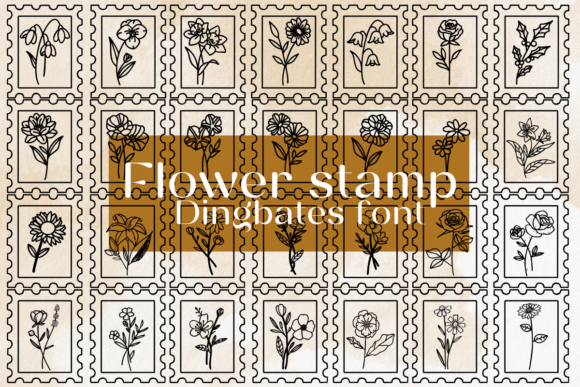
As a small business owner, I'm always on the lookout for tools that can elevate my brand without requiring a design degree. Recently, I discovered Flower Stamp—a dingbat font that adds a whimsical touch to any project. It's not just a font; it's a creative companion that helps bring personality to business materials in a way that feels both professional and playful.
One of the first places I tried using Flower Stamp was on a bakery's packaging. The owner wanted a fresh, inviting look for their new line of pastries. Using the font for the product names on the boxes gave the packaging a handcrafted feel that matched the quality of the goods inside. The floral designs added a soft, elegant contrast to the clean, modern fonts used for the rest of the text, making the whole package feel cohesive and intentional.
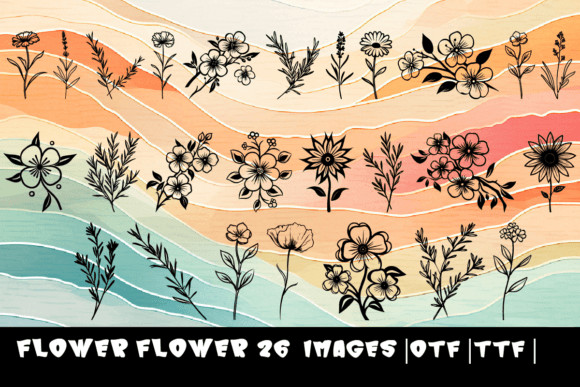
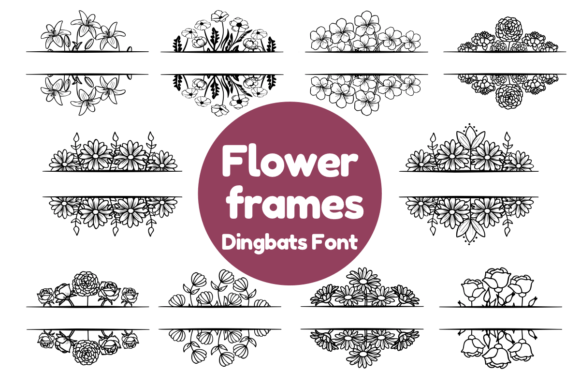
Flower Stamp works best as a display font. Its intricate flower shapes are perfect for headlines, logos, and decorative accents. It's ideal for adding visual interest to product labels, menus, and social media graphics. For example, a candle seller might use it to create unique labels that stand out on the shelf. The font’s variety of floral designs allows for creative expression without overwhelming the viewer.
When it comes to branding, consistency is key. Flower Stamp helps maintain a unified look across different materials. Whether it's a café menu, a beauty brand's product label, or an online shop banner, the font brings a sense of continuity that reinforces brand recognition. It's especially useful for businesses that want to convey a natural, organic vibe without sacrificing professionalism.
Typography plays a crucial role in how customers perceive a brand. A well-chosen font can make a business appear more trustworthy, organized, and approachable. Flower Stamp, with its charming aesthetic, helps create a warm and inviting brand image. It's not just about looking good—it's about making a lasting impression that resonates with customers.
For small businesses, using Flower Stamp on thank-you cards or stickers can add a personal touch that sets them apart. A boutique owner might use it to create custom tags for handmade items, giving each product a unique flair. The font's versatility makes it easy to incorporate into various design elements, from digital ads to printed flyers.
When pairing Flower Stamp with other fonts, it's best to balance its ornate style with simpler typefaces. A clean sans serif font like Helvetica or a classic serif like Georgia can provide a strong foundation, allowing the floral details of Flower Stamp to shine. This combination works well for logos, website headers, and marketing materials where clarity and elegance are important.
Readability is an essential consideration when using Flower Stamp, especially on small labels or mobile screens. While the font is visually appealing, it's important to use it in larger sizes and avoid overloading text with too many decorative elements. For instance, a skincare label might use Flower Stamp for the product name but keep the ingredients list in a more legible font to ensure clarity.
Before using Flower Stamp in commercial projects, it's wise to check the licensing terms. Make sure the font is suitable for your intended use, whether it's for product packaging, digital downloads, or client work. Many dingbat fonts come with specific guidelines, so understanding these details can prevent potential issues down the line.
Flower Stamp is more than just a pretty font—it's a tool that can help small businesses express their identity in a meaningful way. From bakery boxes to online shop banners, it offers a unique way to enhance brand visuals while maintaining a professional appearance. For anyone looking to add a touch of charm to their business materials, this font is worth exploring.